
Record participation at European Congress of Local Governments highlights role of municipalities in times of uncertainty
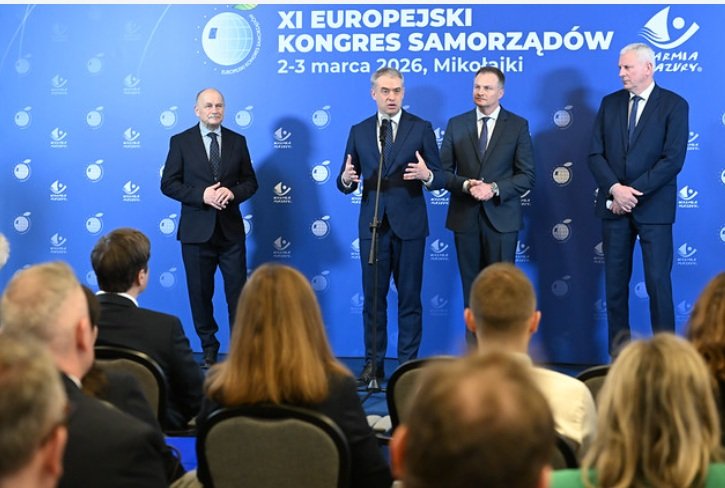
More than 3,000 policy-makers, mayors, experts and civil society representatives gathered in Mikołajki, Poland, on 2-3 March for the 11th European Congress of Local Governments, the country’s largest international forum on municipal and regional governance. Held under the theme “Local Government in Times of Uncertainty – Local Responses to Global Challenges,” plenary sessions and policy debates explored how cities and regions are responding to a rapidly shifting geopolitical, economic and technological landscape. Speakers emphasised that municipalities increasingly operate on the frontlines of intersecting pressures, from security threats and economic volatility to climate policy and digital transformation. Europe’s resilience, they argued, depends not only on national institutions but also the capacity of local communities and citizens to respond and adapt in
times of crisis. Reassessing Europe’s strategic priorities
Debates addressed the future direction of the European Union (EU), touching on enlargement, competitiveness and the balance between national sovereignty and European cooperation. Several participants argued that the current geopolitical climate is prompting a reassessment of long-standing assumptions about Europe’s security architecture, economic model and technological autonomy. Recent global developments, they suggested, have
served as a “wake-up call” for the EU, compelling it to confront structural vulnerabilities and rethink its strategic posture. At the same time, speakers stressed that strengthening unity among member states and improving decision-making within European institutions is critical to the Union’s credibility.

Strengthening local security and resilience
Security concerns featured prominently in discussions on Europe’s geopolitical context and relations with Russia, highlighting local governments’ role in preparedness and civil resilience. Participants noted that the war in Ukraine and rising international tensions are felt directly at the local level, where municipalities are often the first responders. Katarzyna Pełczyńska-Nałęcz, Minister of Funds and Regional Policy of Poland, stressed that
municipalities along the EU’s eastern-northern frontier face acute challenges, limited avenues for cooperation, and elevated investment risks. Local leaders highlighted the difficulty of preparing for potential emergencies without clear national guidance on evacuation planning, infrastructure protection, and resource allocation. The Mayor of Augustów, Mirosław Karolczuk questioned: “is the public’s experience in civil activities really
enough if we are confronted with war?” Several speakers cited Ukraine as a vital source of
real-time expertise for Europe in strengthening defence capabilities, crisis coordination, and
community mobilisation.
Safeguarding digital infrastructure
Digital resilience emerged alongside traditional security as a central concern. As municipal services increasingly rely on digital infrastructure, cyber threats pose growing risks. Experts warned that no municipality is immune to disruption. Dmitri Teperik, a specialist in societal resilience and strategic communication, argued that as digital services increasingly underpin critical infrastructure, local governments must ensure that there are staff that possess basic cybersecurity skills and that citizens are digitally literate. Krzysztof Gawkowski, Deputy Prime Minister and Minister of Digital Affairs, stressed that digital competence must start early and reach beyond major cities. “Building resilience in the digital world does not start with institutions, it starts with the individual,” he said.
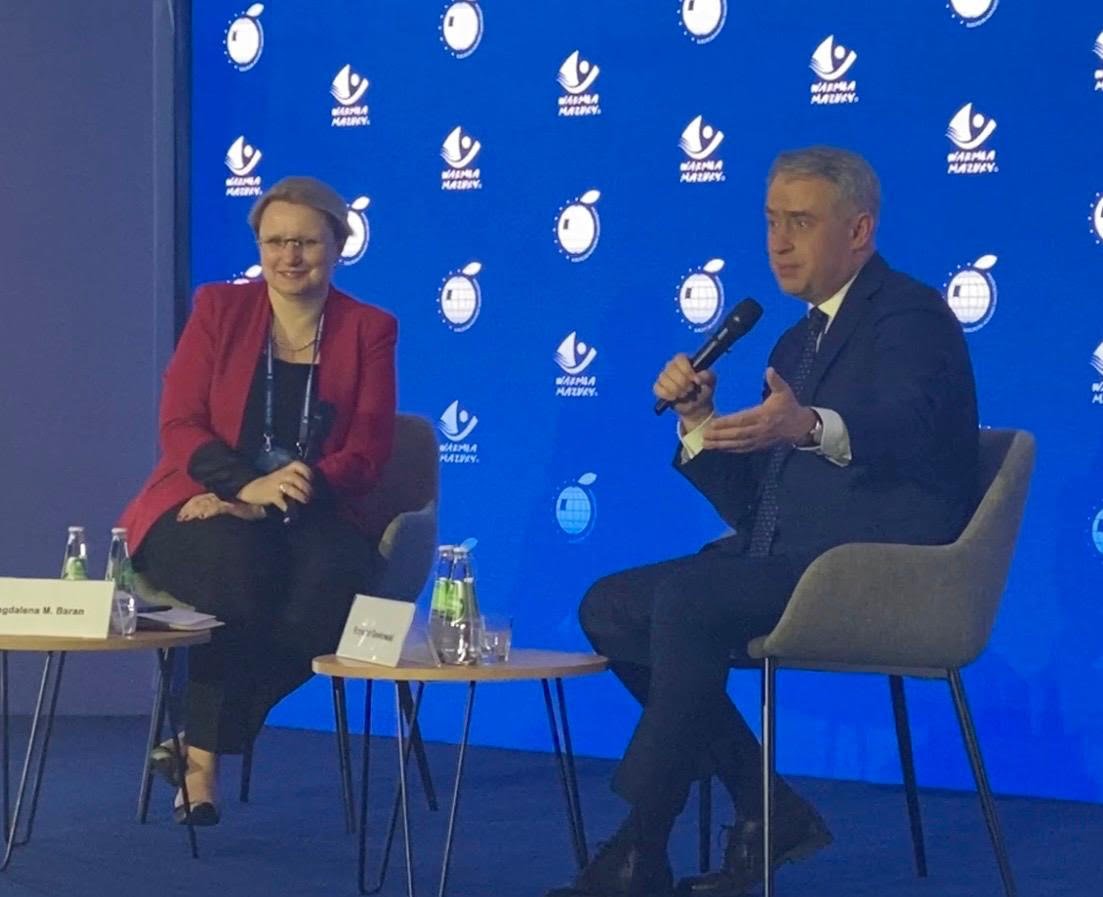
Deputy Prime Minister, Minister of Digital Affairs
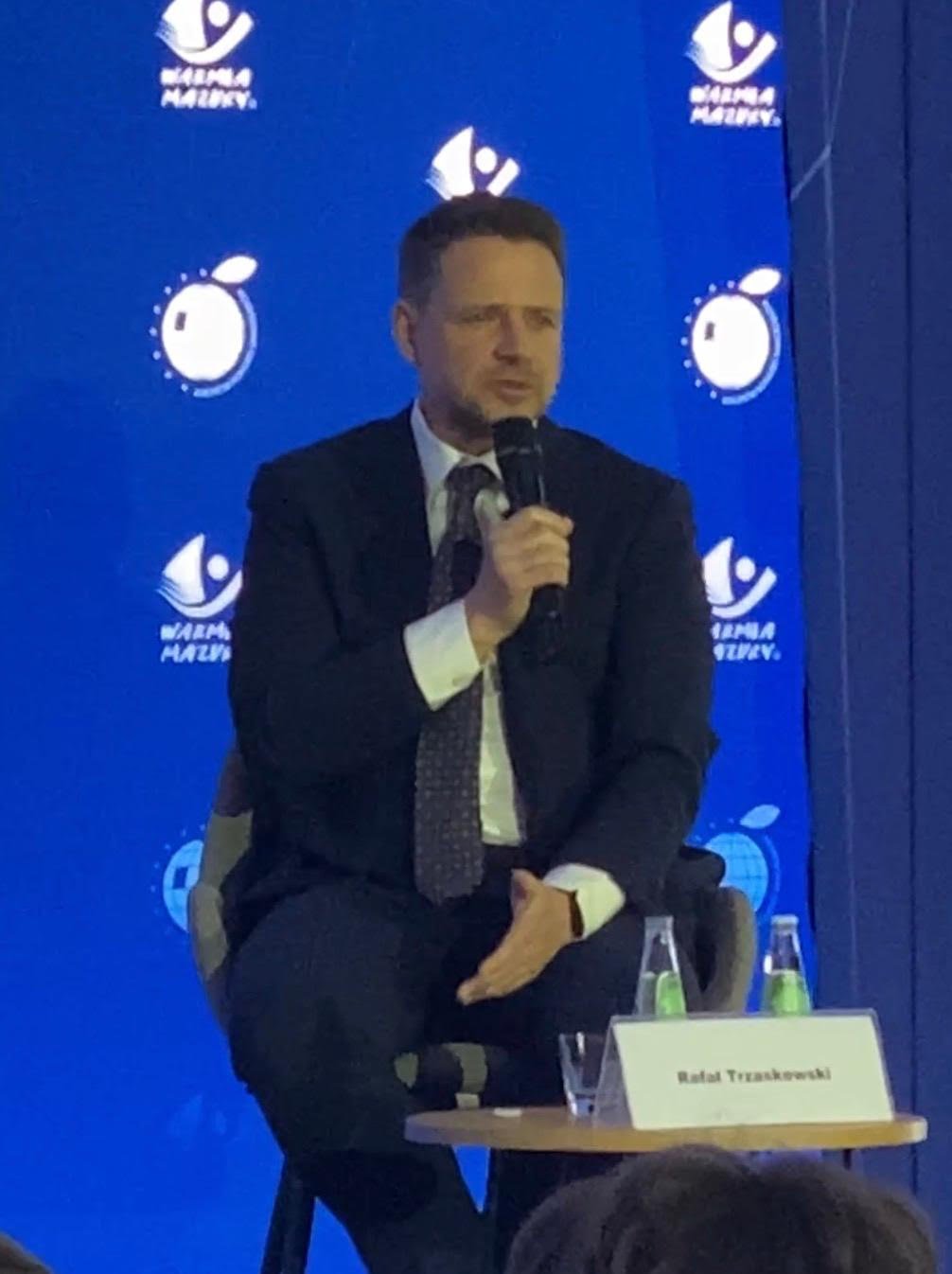
As the congress concluded, participants stressed that Europe’s ability to navigate future
challenges depends on stronger municipal capacity and closer coordination across all levels
of government.
Highlights : https://www.forum-ekonomiczne.pl/en/events/11th-european-congress-of-local-governments